Manfacturing 2Day October 2025
Jason Stokes
11/7/20251 min read
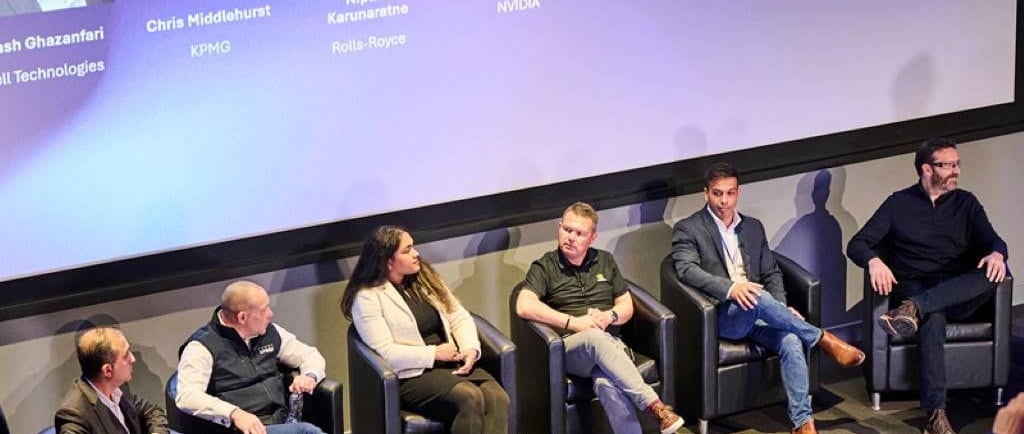
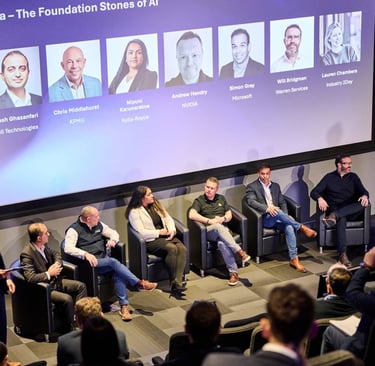
A fascinating couple of days at events in the Midlands, including 𝗠𝗧𝗖'𝘀 𝗗𝗶𝗴𝗶𝘁𝗮𝗹 𝗠𝗮𝗻𝘂𝗳𝗮𝗰𝘁𝘂𝗿𝗶𝗻𝗴 𝟮𝗗𝗮𝘆. While AI was the undeniable star of the show, the most valuable discussions centred on the very human problems it needs to solve.
The key takeaways I picked up on the real-world barriers to AI adoption were:
𝗧𝗵𝗲 𝗦𝗸𝗶𝗹𝗹𝘀 𝗚𝗮𝗽 𝗖𝗿𝗶𝘀𝗶𝘀. How do we maintain operational excellence when an operator's departure means a six-month setback to machine productivity?
𝗧𝗵𝗲 𝗗𝗼𝘄𝗻𝘁𝗶𝗺𝗲 𝗗𝗶𝗹𝗲𝗺𝗺𝗮. The shift towards continuous manufacturing puts a laser focus on downtime. AI's role should be in predicting and automating the response to these failures.
𝗧𝗵𝗲 𝗣𝗶𝗹𝗼𝘁 𝗣𝘂𝗿𝗴𝗮𝘁𝗼𝗿𝘆. A timely reminder that 95% of corporate AI initiatives show zero return. This frenzy often lacks a clear link to core business value (check out the Massachusetts Institute of Technology 'State of AI report for Oct 2025).
This last point was perfectly addressed by Nick Leeder, who presented the Global Smart Industry Readiness Index (SIRI). Their uncomfortable truth? Companies must stop chasing tech for tech's sake and focus on the KPIs they genuinely need to improve.
One such enduring KPI is 𝗣𝗹𝗮𝗻𝗻𝗶𝗻𝗴 𝗮𝗻𝗱 𝗦𝗰𝗵𝗲𝗱𝘂𝗹𝗶𝗻𝗴 𝗘𝗳𝗳𝗲𝗰𝘁𝗶𝘃𝗲𝗻𝗲𝘀𝘀. It's not just about inventory and machines; it's about people—getting the right person, with the right skills, to the right place at the right time.
This brings me to one of my recurring themes - companies say "𝘱𝘦𝘰𝘱𝘭𝘦 𝘢𝘳𝘦 𝘰𝘶𝘳 𝘣𝘪𝘨𝘨𝘦𝘴𝘵 𝘢𝘴𝘴𝘦𝘵," but are the systems designed that way? For instance, did you know 𝘀𝗵𝗶𝗳𝘁 𝘄𝗼𝗿𝗸𝗲𝗿𝘀 𝗵𝗮𝘃𝗲 𝗮 𝟭𝟱% 𝗵𝗶𝗴𝗵𝗲𝗿 𝗿𝗶𝘀𝗸 𝗼𝗳 𝗱𝗲𝘃𝗲𝗹𝗼𝗽𝗶𝗻𝗴 𝗸𝗶𝗱𝗻𝗲𝘆 𝘀𝘁𝗼𝗻𝗲𝘀? Research published this month underscores that how we manage our workforce has profound human and operational consequences (ref: Mayo Clinic).
Helping people do their jobs well means providing flexibility and designing schedules that respect their well-being. This isn't just a moral imperative; it's a key determinant of planning effectiveness and operational resilience.
I think that there is a great opportunity for convergence of Workforce Management and Connected Worker solutions. Technology must empower the frontline worker, not just monitor them.